
News
How to properly delete Photos and Videos from Google Photos


Google Photos is a great tool for keeping your memories safe, but it can be a little confusing when you want to remove something. Depending on how you use the app, deleting a picture might remove it from just one place or everywhere at once. To help clear things up, Google recently shared a guide on how deletion works across your phone and the cloud.
If you use the Google Photos app on your phone with the backup feature turned off, deleting a photo is simple. It only removes the file from your phone’s storage. Most modern phones have a trash bin, so the photo might stay there for a short time before it is gone forever, but it won’t affect anything in the cloud because nothing was backed up.
The situation changes if your backup feature is turned on. When you tap the delete button in the app, Google removes the photo from your phone, your online account, and any other devices that are synced. This is the quickest way to get rid of a photo completely. When you do this, the photo moves to a trash folder in the cloud for 60 days before it is permanently deleted. If you only want to save space on your phone but keep the photo in the cloud, you should use the “Delete from device” option instead of the main delete button.
Using the Google Photos website on a computer works a bit differently. If you delete a photo from the website, it only removes the version stored in the cloud. The original file will stay on your phone. You will still see the photo in your phone’s app because the app shows what is stored locally on your device. To get rid of it entirely, you would need to delete it from your phone separately.
If you are looking to clear out a lot of storage at once, the “Free up space” tool is a great option. It automatically removes photos from your phone that have already been safely backed up to the cloud. By understanding these different steps, you can manage your storage better and make sure you don’t accidentally lose a memory you wanted to keep.

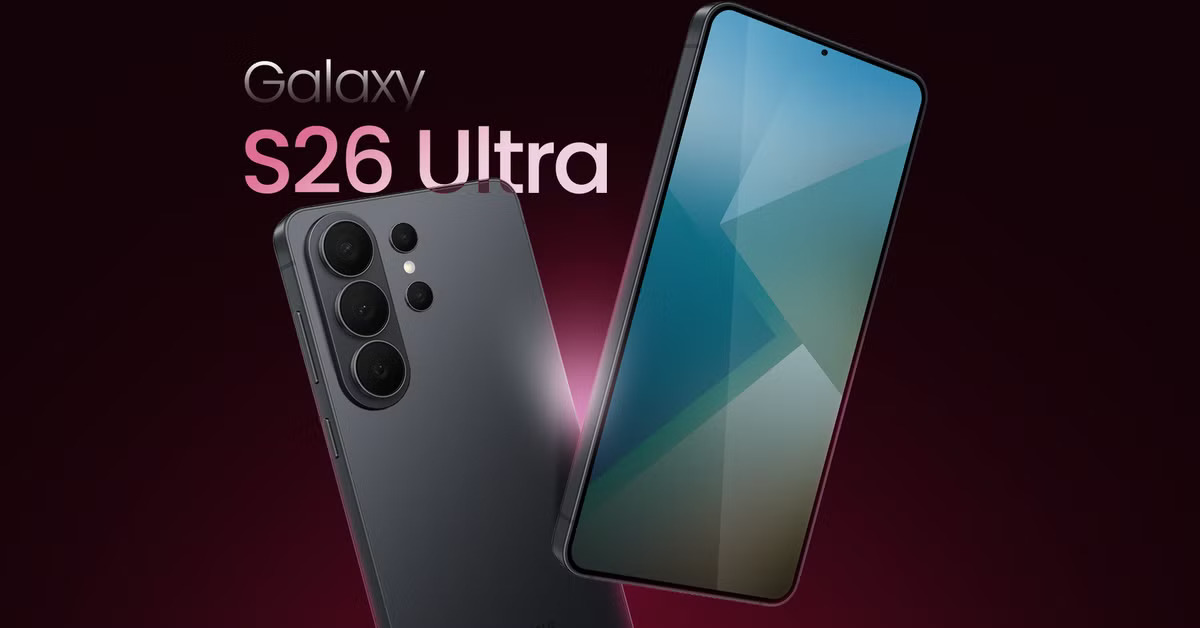
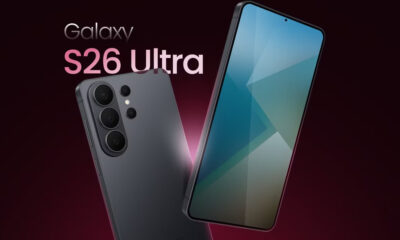
Samsung is working on big technology updates for its next two generations of flagship phones. These changes focus on making the Galaxy S26 and Galaxy S27 series faster, more reliable, and better at keeping you connected even in remote areas.
Better Connections for the Galaxy S26
The upcoming Galaxy S26 is expected to feature a new 5G modem called the Exynos 5410. This modem is a significant step forward because it improves how the phone talks to satellites. While older models could only use basic satellite features, this new version supports a technology called “Direct-to-Cell.”
This means that if you are in a place with no cell towers—like deep in the woods or out at sea—you could still make phone calls, send text messages, and share your location. It works by connecting your phone directly to satellites in space. Additionally, the new modem is designed to be more efficient, which should help your battery last longer while you’re using the internet.
A Major Power Boost for the Galaxy S27
Looking further ahead to 2027, the Galaxy S27 is rumored to receive an even bigger upgrade. Samsung is developing a new brain for the phone, likely called the Exynos 2700. This chip will be built using a very advanced “2-nanometer” process. In simple terms, this makes the chip much smaller and more powerful, allowing the phone to run faster without getting as hot.
One of the most exciting parts of this future chip is the graphics. Samsung is moving away from using other companies’ designs and is building its own graphics processor (GPU) from scratch. This should make mobile gaming much smoother and improve how the phone handles smart AI features.
What This Means for Users
Samsung is trying to take more control over the parts inside its phones. By building its own modems and processors, the company can make sure everything works perfectly together. For people buying these phones in the coming years, it means better emergency safety features through satellite tech and a much more powerful experience for gaming and daily tasks.
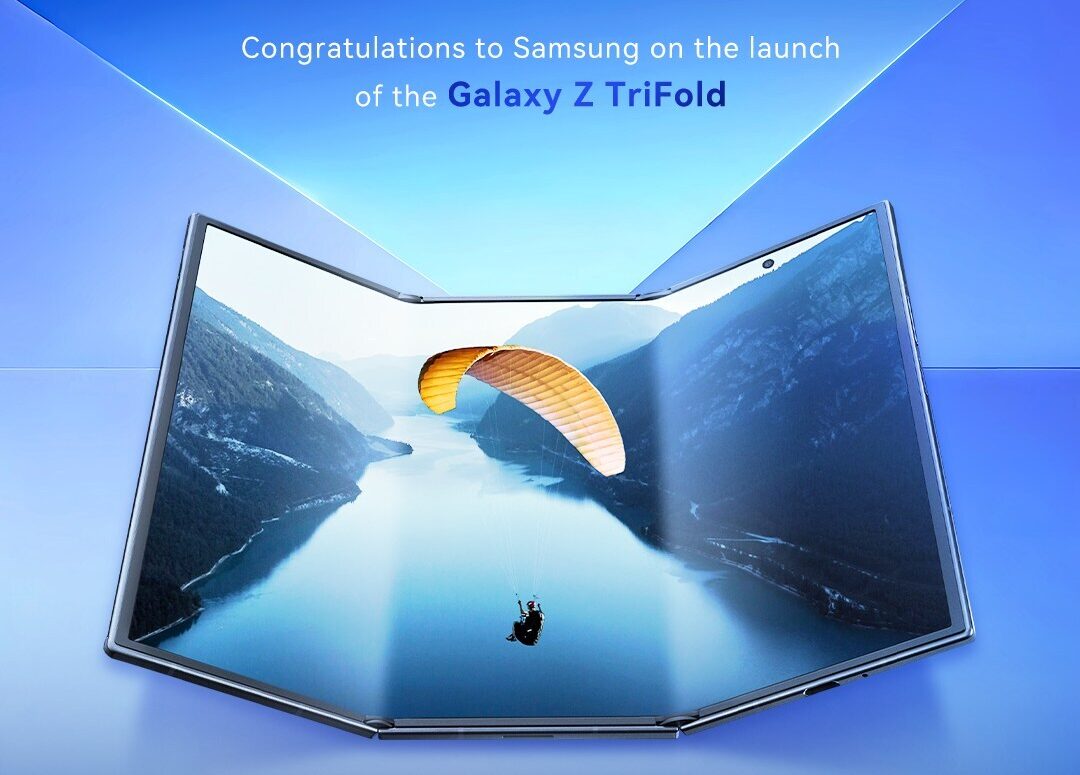
Samsung recently released its first-ever triple-folding phone, the Galaxy Z TriFold. While the device is a marvel of engineering, recent hands-on tests show it might not be as sturdy as the company’s more traditional folding phones. In a series of intense durability challenges, the TriFold struggled when pushed to its limits. Unlike the Galaxy Z Fold 7, which can handle quite a bit of pressure, the TriFold showed signs of damage relatively quickly.
One major test involved folding and unfolding the phone thousands of times. Samsung claims the device can survive 200,000 folds, but a live test by a group of tech reviewers showed the hinges starting to act up much sooner. One hinge began creaking after about 61,000 folds, and the second one followed at 121,000. By the time they hit roughly 145,000 folds, the hinges lost their “springiness,” making it hard for the phone to stay flat or close properly. While the screen itself kept working, the mechanical parts were clearly wearing out.
Beyond the folding tests, the phone also faced a “bend test” where it was forced in the wrong direction. Unfortunately, the TriFold didn’t survive this as well as previous models; the frame snapped and the screen pixels went dark with a reasonable amount of force. It seems that having more hinges and a thinner body makes the device more vulnerable to physical accidents.
Business-wise, Samsung isn’t too worried about these early hiccups or even the fact that they aren’t making much money on the TriFold right now. They view it as a “statement piece”—a way to show the world they can build technology that others can’t. The phone is only being sold in very small numbers, which helps keep it exclusive.
However, the company is feeling some pressure regarding its next big standard release, the Galaxy S26. With the costs of parts like processors and cameras going up, Samsung is looking for ways to keep prices fair for customers without losing money. While the TriFold is a cool look into the future, the success of their upcoming regular flagship phones is what really keeps the company steady. For now, the TriFold remains an impressive but delicate piece of tech for early adopters who are willing to be extra careful with it.
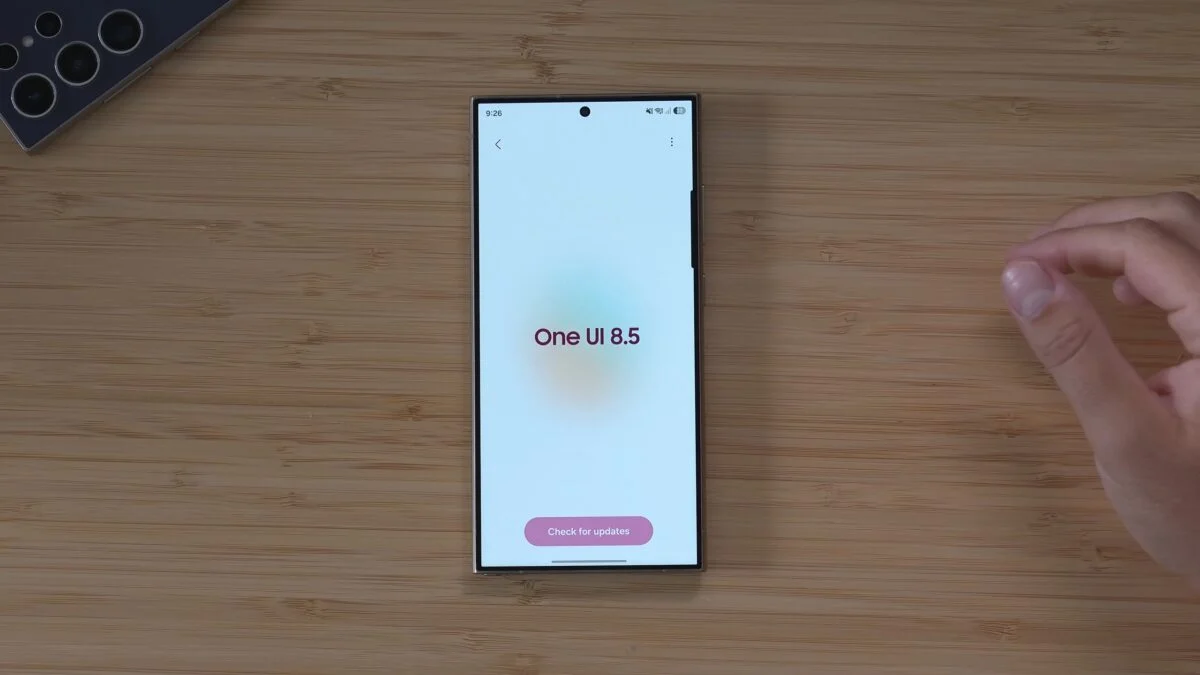
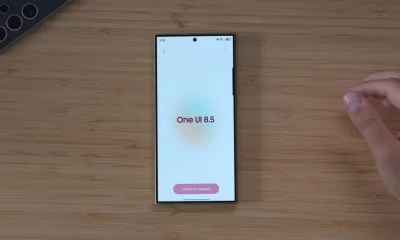
Samsung is making great progress with its next big software update, One UI 8.5. This version, based on Android 16, is already being tested on several devices, bringing better looks and new features to Galaxy users.
New Testing for Galaxy A26 and Others
Samsung has officially started internal testing for the Galaxy A26 5G. This is an important step because it shows that even mid-range phones are being prepared for the new software. The testing is also happening for other models like the Galaxy A35, A53, and A33. While high-end phones usually get the newest tools first, these more affordable models will still enjoy smoother animations and a fresh look.
Customization Updates with Good Lock
For people who love to change how their phone looks, there is some good news about the Good Lock app. Samsung has released a new version of the QuickStar module that works with the One UI 8.5 Beta. This tool lets you change things like the icons at the top of your screen.
However, some other tools are still being worked on. For example, modules like LockStar and Home Up—which help you customize your lock screen and home screen—don’t fully work yet on the test version. Samsung is busy fixing these so they will be ready for everyone soon.
What to Expect Next
The One UI 8.5 update is expected to launch officially with the Galaxy S26 series early next year. After that, it will slowly roll out to many other Galaxy phones and tablets throughout 2026. The new software focuses on making the phone feel faster and look more modern, using “blur” effects and colorful cards to make the menus more attractive.
-
 News7 months ago
Samsung expands One UI 8 updates with new camera support, watch upgrade, and wider testing
-
 News7 months ago
Samsung testing One UI 8.5 on Galaxy A26 as Good Lock updates begin
-
News7 months ago
Samsung begins testing One UI 8.5 on Galaxy S22, Tab S9, and popular A-Series phones
-
 News7 months ago
Samsung Galaxy S26 and S28 to feature custom graphics alongside new Galaxy Buds 4 Pro
-

 News7 months ago
Samsung’s new three-way Folding phone faces real-world toughness tests
-
 News7 months ago
Samsung’s future phones to feature better satellite tech and powerful new chips
-
News7 months ago
Samsung tests new One UI 8.5 update on more phones
-

 Android7 months ago
Google releases quick fix for Pixel phones to stop apps from crashing