
Apple
Mastering Mobile Photography: Unleash your iPhone’s hidden potential

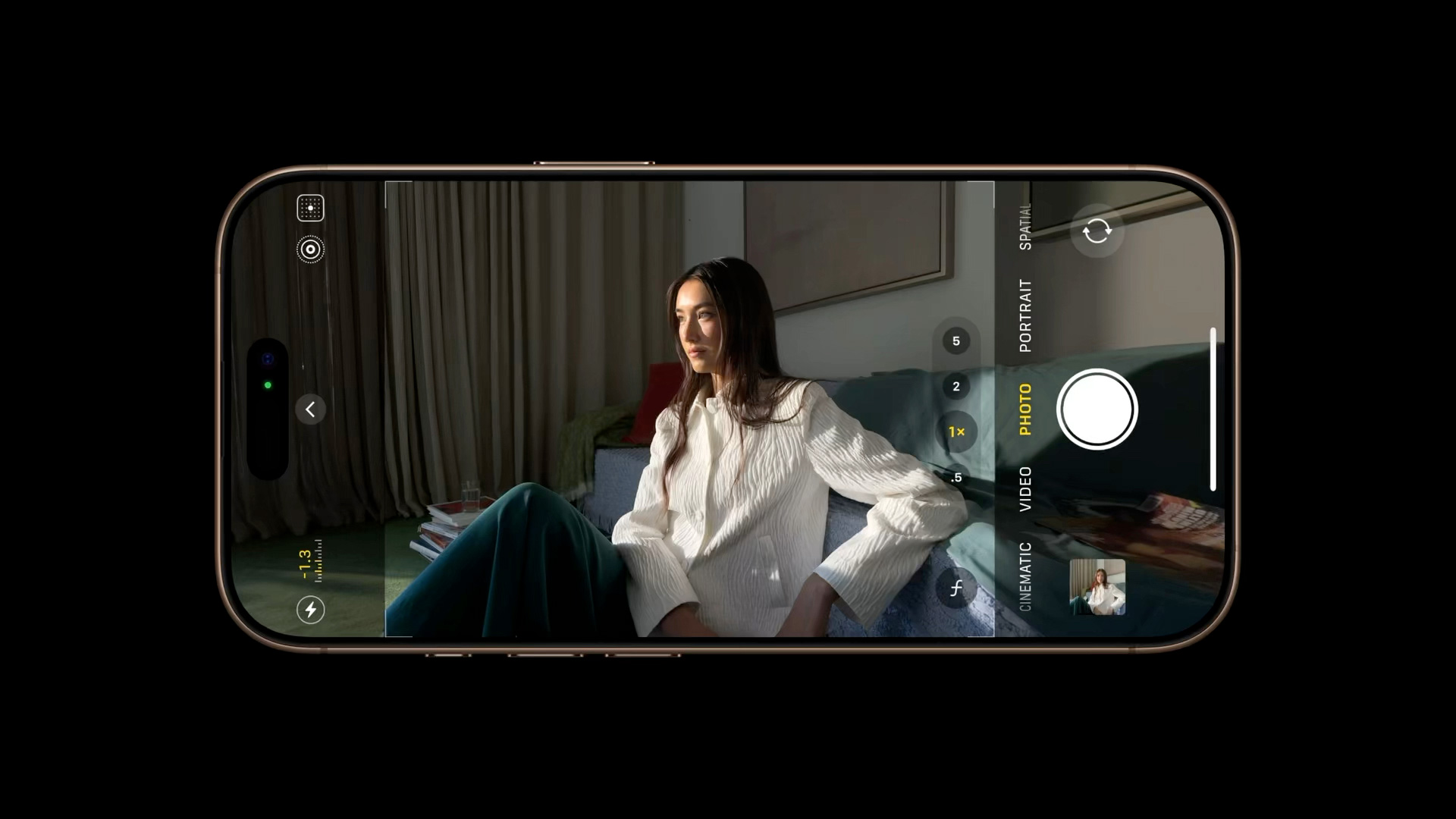
The iPhone has revolutionized how we capture the world around us. More than just a communication device, it’s a powerful camera that fits in your pocket. While features like Portrait Mode and Photographic Styles are undeniably impressive, mastering the fundamentals of photography using your iPhone’s built-in tools can elevate your images to a whole new level.
This isn’t about fancy filters or complex editing; it’s about understanding composition and perspective, and utilizing the tools already at your fingertips. Whether you’re a seasoned photographer or just starting your mobile photography journey, these six tips will help you unlock your iPhone’s true photographic potential.
1. The Art of Composition: Harnessing the Rule of Thirds
Composition is the backbone of any great photograph. One of the most effective compositional techniques is the “rule of thirds.” This principle involves dividing your frame into nine equal rectangles using two horizontal and two vertical lines. The points where these lines intersect are considered the most visually appealing spots to place your subject.
Your iPhone’s built-in grid overlay makes applying the rule of thirds incredibly easy. To activate it:
- Open the Settings app.
- Scroll down and tap Camera.
- In the “Composition” section, toggle on the Grid switch.
With the grid activated, consider these points:
- Identify Key Elements: Determine the primary subjects or points of interest in your scene.
- Strategic Placement: Position these elements along the grid lines or at their intersections. For portraits, placing the subject’s eyes along a horizontal line often creates a compelling image.
- Horizontal Harmony: When capturing landscapes, align the horizon with either the top or bottom horizontal line to emphasize either the sky or the foreground.
- Balancing Act: Use the rule of thirds to create balance. If you place a prominent subject on one side of the frame, consider including a smaller element on the opposite side to create visual equilibrium.
- Embrace Experimentation: The rule of thirds is a guideline, not a rigid rule. Don’t be afraid to experiment and see how shifting elements within the frame affects the overall impact of your photo.
2. Achieving Perfect Alignment: Straightening Top-Down Perspectives
Capturing objects from directly above, like food photography or flat lays, can be tricky. Ensuring your camera is perfectly parallel to the subject is crucial for a balanced and professional look. Your iPhone’s built-in Level tool is your secret weapon.
In iOS 17 and later, the Level has its own toggle:
- Open the Settings app.
- Tap Camera.
- Toggle on the Level switch.
To use the Level:
- Open the Camera app.
- Position your phone directly above your subject.
- A crosshair will appear on the screen. Adjust your phone’s angle until the floating crosshair aligns with the fixed crosshair in the center. When perfectly aligned, both crosshairs will turn yellow.
- Tap the shutter button to capture your perfectly aligned shot.
3. Level Up Your Landscapes: Ensuring Straight Horizons
The Level tool isn’t just for top-down shots. It also helps you achieve perfectly straight horizons in your landscape photography. When the Level setting is enabled, a broken horizontal line appears when your phone detects it’s slightly tilted. As you adjust your phone to a level position, the broken line merges into a single, yellow line, indicating perfect horizontal alignment. This feature is subtle and only activates within a narrow range of angles near horizontal, preventing it from being intrusive.
4. Capturing Fleeting Moments: Mastering Burst Mode
Sometimes, the perfect shot happens in a split second. Burst Mode allows you to capture a rapid sequence of photos, increasing your chances of capturing that decisive moment.
To activate Burst Mode:
- Go to Settings ➝ Camera and toggle on Use Volume Up for Burst.
- Then, in the Camera app, simply press and hold the Volume Up button. Your iPhone will continuously capture photos until you release the button. A counter on the screen displays the number of shots taken.
Burst photos are automatically grouped into an album called “Bursts” in your Photos app, making it easy to review and select the best shots.
5. Mirror, Mirror: Personalizing Your Selfies
By default, your iPhone flips selfies, which can sometimes feel unnatural. If you prefer the mirrored image you see in the camera preview, you can easily change this setting:
- Open the Settings app.
- Scroll down and tap Camera.
- Toggle the Mirror Front Camera switch to the green ON position.
Now, your selfies will be captured exactly as you see them in the preview.
6. Expanding Your Vision: Utilizing “View Outside the Frame”
On iPhone 11 and later models, the “View Outside the Frame” feature offers a unique perspective. When enabled, it shows you what’s just outside the current frame, allowing you to fine-tune your composition and avoid unwanted cropping later. This is particularly useful when using the wide or telephoto lens, as it shows you the wider field of view of the next widest lens.
To activate this feature:
- Open the Settings app.
- Scroll down and tap Camera.
- In the “Composition” section, toggle on View Outside the Frame.
By understanding and utilizing these built-in camera features, you can significantly improve your iPhone photography skills and capture stunning images that truly reflect your vision. It’s not about having the latest model or the most expensive equipment; it’s about mastering the tools you already have in your pocket.


Moving from an Android phone to an iPhone—or the other way around—can often feel like a big chore. Right now, when you get a new phone, moving all your important information over from the old phone can be a complicated mess. However, it seems that Google and Apple are working together to fix this, making the switch between the two types of phones much smoother.
We recently got a sneak peek into the future by looking closely at the code of Google’s Android Switch app. This app is what helps people move their data from an iPhone to a new Android device, like a Pixel. What we found inside the hidden code suggests that several new types of personal information might soon be able to transfer automatically.
Currently, when you switch phones, basic items like photos, videos, contacts, and calendar dates usually move over. But things that make your phone yours often get left behind.
The new code hints that the following items could soon be included in the transfer process:
- Accessibility Settings: These are the special settings people use to make their phone easier to operate, such as larger text sizes or specific display settings. Being able to transfer these means you won’t have to spend time setting up your phone just to be able to use it comfortably.
- Music Playlists: If you have music lists on your iPhone, the updated system might allow them to move to a service like YouTube Music on your Android device.
- Passwords and Passkeys: This is a big one. Right now, you usually have to sign back into every single app manually. Soon, the system could automatically bring over your saved login details and newer “Passkeys,” providing a truly seamless experience.
- Wallet Cards: Moving credit and debit cards from one digital wallet (like Apple Wallet) to another (like Google Wallet) is not possible today, but the code suggests this convenience could be added.
- Wi-Fi Credentials: While your phone might remember the name of your home Wi-Fi, it often doesn’t remember the password, forcing you to type it in again. The change suggests the actual Wi-Fi passwords will transfer over, making it so your new phone connects instantly.
It’s important to remember that this information comes from looking at code that hasn’t been released yet. So, while it shows what Google and Apple are planning, we need to wait for an official announcement to know exactly how and when these improvements will become available.
Since the two companies are working together, these features are likely to help users switch from Android to iPhone, too. Once these changes arrive, getting a new phone won’t mean starting from scratch anymore.
A key screen supplier, BOE, is running into serious trouble providing the special display panels (OLED screens) for Apple’s newest phone lineup, the iPhone 17. Because of these technical setbacks, a main competitor, Samsung Display, is now expected to land a much bigger supply deal with Apple.
Sources familiar with the matter confirm that BOE has faced quality control and technical difficulties that it has not yet managed to fix. This means the company will be unable to deliver the display panels it was planning to ship this year. As a direct result, Samsung Display will likely be stepping in to cover the missing supply needed to build the phones.
The iPhone 17 is Apple’s current flagship model and is available in four versions: the standard, Air, Pro, and Pro Max. Apple is expecting to ship more than 90 million units of this new series throughout the year. The screens for these devices are usually provided mainly by Samsung Display and LG Display. At the moment, Samsung provides displays for all four models, while LG supplies three of the versions, not including the Pro.
BOE had originally planned to provide screens, specifically for the high-end iPhone 17 Pro models in the Chinese market. The main issue stems from Apple’s decision to use a more advanced screen feature called LTPO across the entire iPhone 17 series this year. This proved to be a major hurdle for BOE, which did not have prior experience making LTPO panels for Apple.
After many months of work, BOE finally received approval to start large-scale production in the early third quarter, to supply up to ten million panels. However, problems with reliability kept happening. By mid-November, these ongoing issues were still not solved. Due to these failures, BOE’s expected total shipments, which could have reached 40 million screens, will now be significantly lower.
Samsung Display is currently bridging this gap. Its screen supply to Apple is expected to increase from an initial 80 million panels to roughly 90 million this year. This is a critical move that will ensure Apple can still meet its manufacturing targets for all four iPhone 17 models without delay.
With BOE struggling to deliver, Samsung Display is now set to further solidify its position as Apple’s most important partner for OLED screens. The company stands to gain more business and maintain its lead in the competitive iPhone screen market throughout 2025.
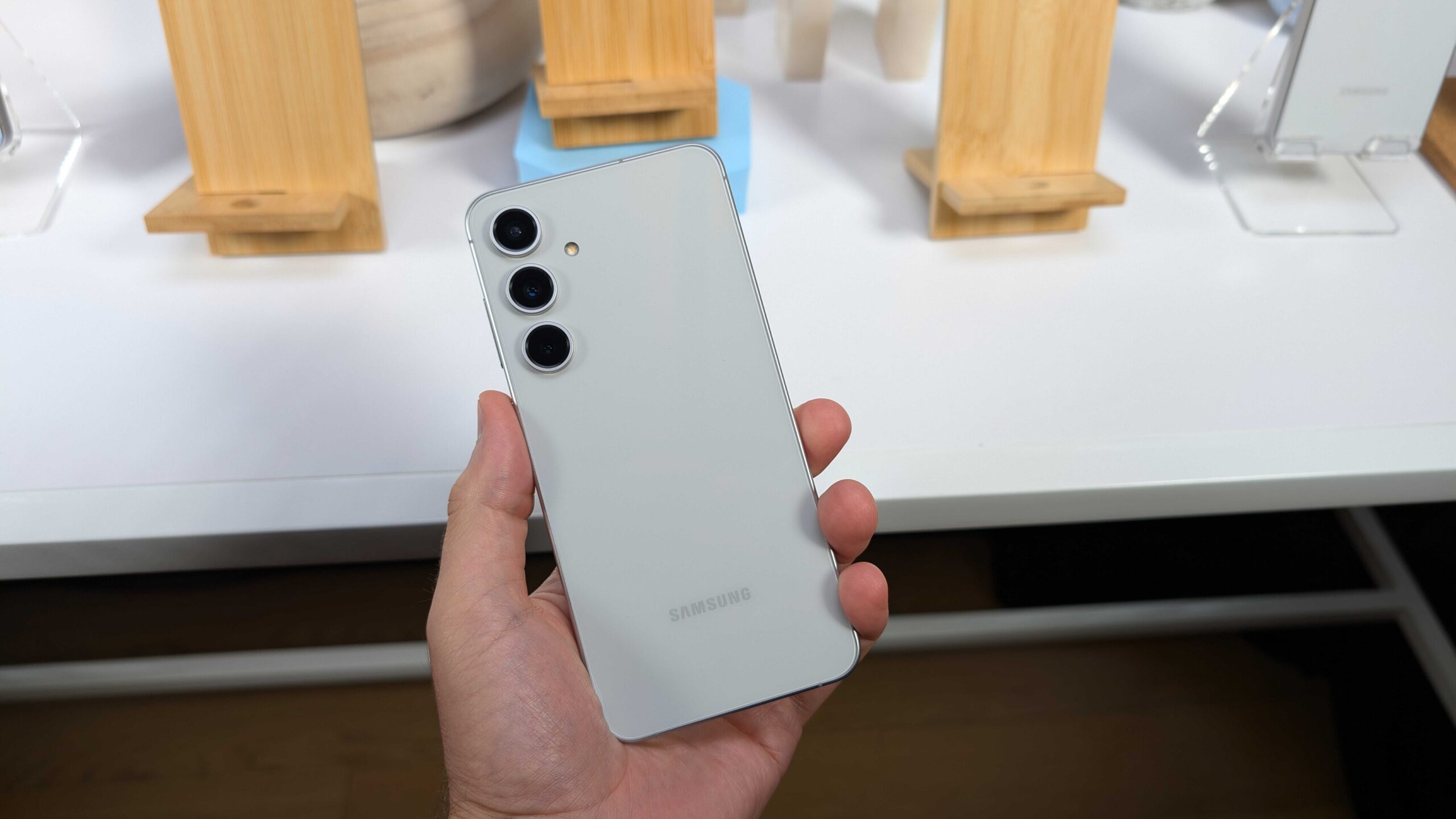
Samsung has been busy with its phone lineup lately. Just a short time after bringing out the Galaxy S25 FE, the company is already pushing its very first software fix to users. This mid-tier flagship is the last piece in the Galaxy S25 family puzzle, joining the regular trio and the slim Galaxy S25 Edge model.
The update is starting in Europe and should spread to other places soon. Folks with the Galaxy S25 FE won’t have to hold out for the newest software skin right away, since it came loaded with One UI 8 from day one – one of the rare Samsung phones to do so. This fresh patch carries the build number S731BXXU1AYIB.
It packs in the September 2025 security fix, along with tweaks for smoother running and better protection overall. The patch tackles a bunch of weak spots in the system that could let hackers in. Samsung has already sent this same September update to plenty of other phones worldwide.
Don’t look for any flashy new tricks here, though. Those are saved for the bigger One UI 8.5 jump, which early peeks suggest could bring some real changes. Shifting gears to what’s next, Samsung’s popular Galaxy A5x line keeps drawing crowds with its smart mix of features and wallet-friendly prices.
The Galaxy A56 only hit shelves a few months back, but word is already out on its follow-up, the Galaxy A57.Spotters caught the Galaxy A57 in the IMEI database, listed under the code SM-A576B/DS for the two-SIM version. It’s no big shock, as Samsung sticks to a yearly refresh for these hits.
Rumors point to the Galaxy A57 running on the fresh Exynos 1680 processor. Test scores show it packs a revamped brain for tasks and a graphics part that’s twice as strong as the one in the A56’s Exynos 1580. That could mean smoother games and quicker everyday stuff. The camera side might get a boos, too, though details are still fuzzy. Based on past patterns, expect the Galaxy A57 to drop in the early months of 2026, keeping the mid-range magic alive.
Galaxy A57 5G SM-A576B/DS spotted😁 pic.twitter.com/zsD5YHf0xE
— Erencan Yılmaz (@erenylmaz075) September 25, 2025
-
 News7 months ago
Samsung expands One UI 8 updates with new camera support, watch upgrade, and wider testing
-
 News7 months ago
Samsung testing One UI 8.5 on Galaxy A26 as Good Lock updates begin
-
News7 months ago
Samsung begins testing One UI 8.5 on Galaxy S22, Tab S9, and popular A-Series phones
-

 News7 months ago
Samsung Galaxy S26 and S28 to feature custom graphics alongside new Galaxy Buds 4 Pro
-

 News7 months ago
Samsung’s new three-way Folding phone faces real-world toughness tests
-
 News7 months ago
Samsung’s future phones to feature better satellite tech and powerful new chips
-
News7 months ago
Samsung tests new One UI 8.5 update on more phones
-

 News7 months ago
Google Updates: Quicker Photos Search, new emergency tools for India, and AI for your car