
Apple
The iPhone 17 Pro: A deep dive into the rumored camera revolution

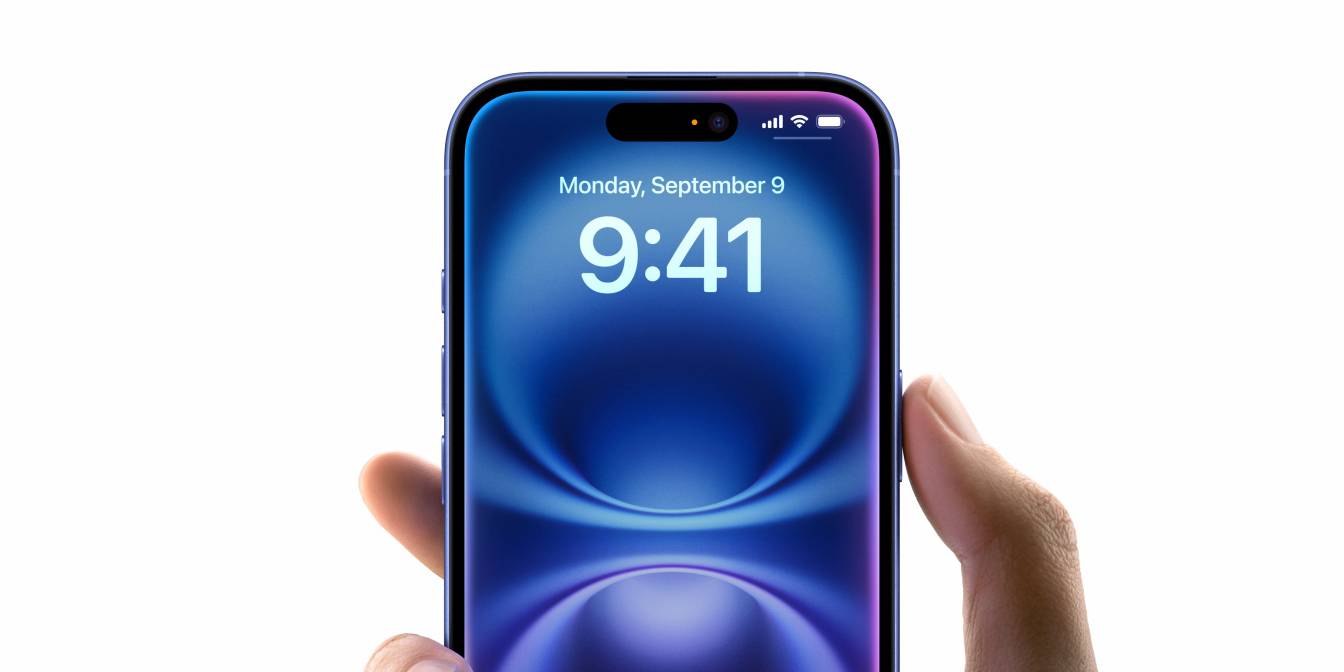
The tech world is abuzz with whispers about the upcoming iPhone 17 Pro and Pro Max, and the focus is squarely on the camera. Rumors paint a picture of a significant upgrade, with a potential shift in sensor size adding an intriguing twist. Let’s delve into the details and explore what these changes could mean for photography enthusiasts.
One of the most exciting rumors circulating is the possibility of three 48-megapixel cameras gracing the back of both the iPhone 17 Pro and Pro Max. This would be a first for Apple, creating a truly powerful and versatile camera system. Imagine the possibilities: a high-resolution main lens, an equally sharp ultrawide, and a dramatically improved telephoto lens, all working in concert to capture stunning images.
Sources suggest that the main camera will feature a 48MP “Fusion” lens, accompanied by a 48MP ultrawide lens. But the real game-changer is the rumored upgrade to the telephoto lens. Currently at 12MP on the iPhone 16 Pro models, the jump to 48MP promises a significant boost in zoom capabilities and image quality, bringing distant subjects into sharp focus. Both the primary and telephoto lenses are expected to be hybrid glass-plastic designs, potentially offering a balance of optical performance and manufacturing efficiency.
Furthermore, the front-facing camera is also rumored to be receiving a substantial upgrade, jumping from 12MP to 24MP. This change, corroborated by multiple sources, suggests a significant improvement in selfie quality and low-light performance. Imagine clearer video calls and more detailed self-portraits, even in challenging lighting conditions.
However, a somewhat surprising detail has emerged regarding the main camera sensor. While the resolution is set to remain at 48MP, rumors indicate a slight reduction in sensor size, from 1/1.28″ on the iPhone 16 Pro models to 1/1.3″ on the iPhone 17 Pro. While the difference might seem negligible on paper, it raises some interesting questions.
In the world of photography, sensor size plays a crucial role in image quality. A larger sensor generally captures more light, resulting in better performance in low-light situations and a shallower depth of field. So, why would Apple opt for a slightly smaller sensor?
Several theories have emerged. One possibility is related to the rumored redesign of the camera module. Reports suggest a shift towards a rectangular or elongated oval shape, potentially constructed from aluminum rather than glass. This new design could impose space constraints, necessitating a slightly smaller sensor.
Another possibility is that Apple is focusing on other areas of the camera system to compensate for the slight reduction in sensor size. Advancements in image processing, lens design, or other hardware components could offset any potential drawbacks, ensuring that the overall image quality remains exceptional. It’s also worth noting that the difference in size is minimal, and might not translate to a noticeable difference in everyday photography for most users.
The rumors also touch upon the overall design of the iPhone 17 Pro models. Whispers of a redesigned back, incorporating both aluminum and glass, along with the new camera module design, suggest a significant aesthetic shift. This new design language, combined with the camera upgrades, positions the iPhone 17 Pro as a potentially groundbreaking device.
The iPhone 17 lineup is expected to launch in September 2025, following Apple’s typical release cycle. While these are still just rumors, the consistency and detail of the information coming from various sources make them compelling. If these predictions hold true, the iPhone 17 Pro and Pro Max could represent a significant leap forward in mobile photography, offering users an even more powerful and versatile tool for capturing their world. It will be interesting to see how these rumors develop and what Apple ultimately unveils in the fall of 2025.


Moving from an Android phone to an iPhone—or the other way around—can often feel like a big chore. Right now, when you get a new phone, moving all your important information over from the old phone can be a complicated mess. However, it seems that Google and Apple are working together to fix this, making the switch between the two types of phones much smoother.
We recently got a sneak peek into the future by looking closely at the code of Google’s Android Switch app. This app is what helps people move their data from an iPhone to a new Android device, like a Pixel. What we found inside the hidden code suggests that several new types of personal information might soon be able to transfer automatically.
Currently, when you switch phones, basic items like photos, videos, contacts, and calendar dates usually move over. But things that make your phone yours often get left behind.
The new code hints that the following items could soon be included in the transfer process:
- Accessibility Settings: These are the special settings people use to make their phone easier to operate, such as larger text sizes or specific display settings. Being able to transfer these means you won’t have to spend time setting up your phone just to be able to use it comfortably.
- Music Playlists: If you have music lists on your iPhone, the updated system might allow them to move to a service like YouTube Music on your Android device.
- Passwords and Passkeys: This is a big one. Right now, you usually have to sign back into every single app manually. Soon, the system could automatically bring over your saved login details and newer “Passkeys,” providing a truly seamless experience.
- Wallet Cards: Moving credit and debit cards from one digital wallet (like Apple Wallet) to another (like Google Wallet) is not possible today, but the code suggests this convenience could be added.
- Wi-Fi Credentials: While your phone might remember the name of your home Wi-Fi, it often doesn’t remember the password, forcing you to type it in again. The change suggests the actual Wi-Fi passwords will transfer over, making it so your new phone connects instantly.
It’s important to remember that this information comes from looking at code that hasn’t been released yet. So, while it shows what Google and Apple are planning, we need to wait for an official announcement to know exactly how and when these improvements will become available.
Since the two companies are working together, these features are likely to help users switch from Android to iPhone, too. Once these changes arrive, getting a new phone won’t mean starting from scratch anymore.
A key screen supplier, BOE, is running into serious trouble providing the special display panels (OLED screens) for Apple’s newest phone lineup, the iPhone 17. Because of these technical setbacks, a main competitor, Samsung Display, is now expected to land a much bigger supply deal with Apple.
Sources familiar with the matter confirm that BOE has faced quality control and technical difficulties that it has not yet managed to fix. This means the company will be unable to deliver the display panels it was planning to ship this year. As a direct result, Samsung Display will likely be stepping in to cover the missing supply needed to build the phones.
The iPhone 17 is Apple’s current flagship model and is available in four versions: the standard, Air, Pro, and Pro Max. Apple is expecting to ship more than 90 million units of this new series throughout the year. The screens for these devices are usually provided mainly by Samsung Display and LG Display. At the moment, Samsung provides displays for all four models, while LG supplies three of the versions, not including the Pro.
BOE had originally planned to provide screens, specifically for the high-end iPhone 17 Pro models in the Chinese market. The main issue stems from Apple’s decision to use a more advanced screen feature called LTPO across the entire iPhone 17 series this year. This proved to be a major hurdle for BOE, which did not have prior experience making LTPO panels for Apple.
After many months of work, BOE finally received approval to start large-scale production in the early third quarter, to supply up to ten million panels. However, problems with reliability kept happening. By mid-November, these ongoing issues were still not solved. Due to these failures, BOE’s expected total shipments, which could have reached 40 million screens, will now be significantly lower.
Samsung Display is currently bridging this gap. Its screen supply to Apple is expected to increase from an initial 80 million panels to roughly 90 million this year. This is a critical move that will ensure Apple can still meet its manufacturing targets for all four iPhone 17 models without delay.
With BOE struggling to deliver, Samsung Display is now set to further solidify its position as Apple’s most important partner for OLED screens. The company stands to gain more business and maintain its lead in the competitive iPhone screen market throughout 2025.
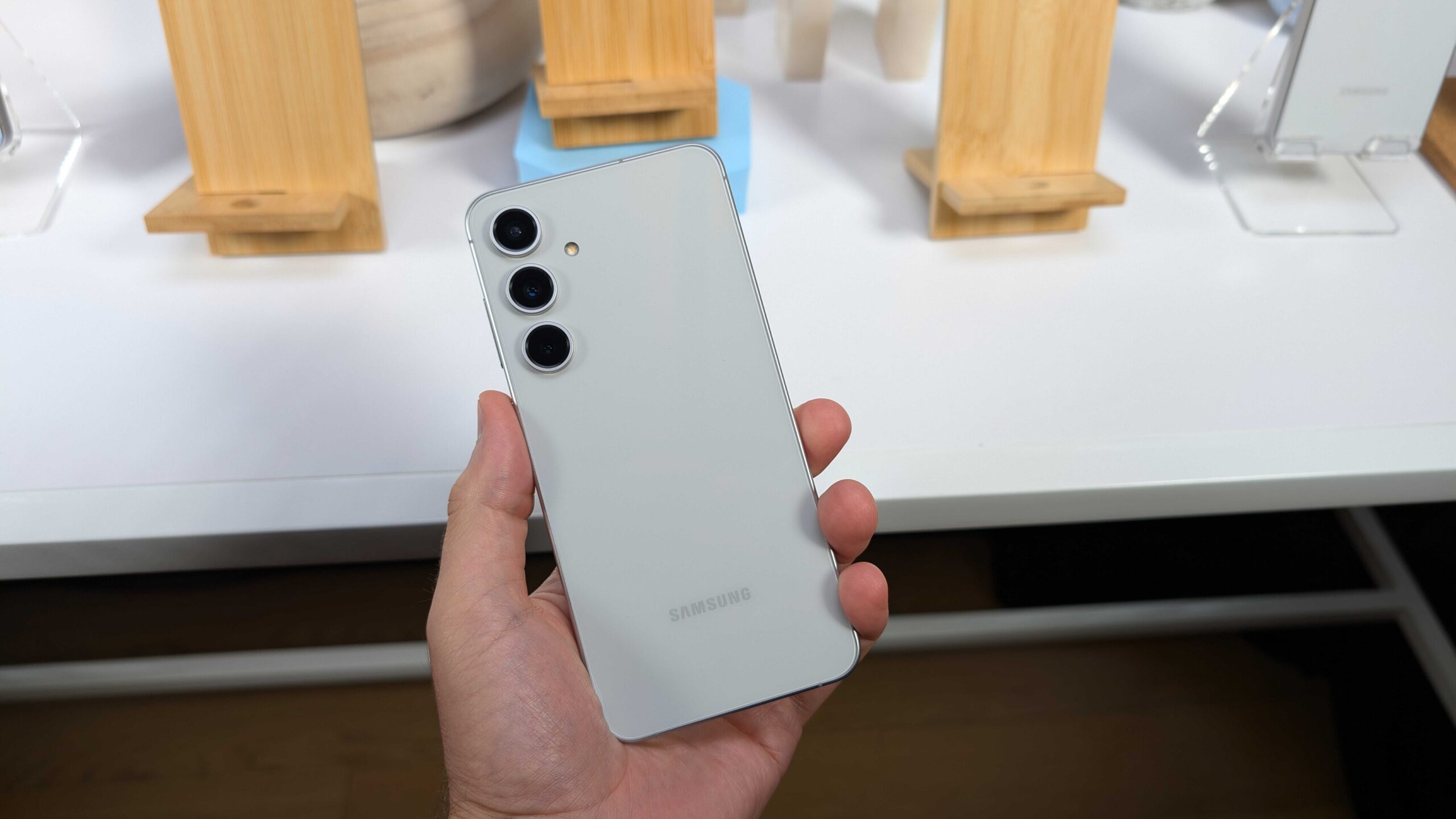
Samsung has been busy with its phone lineup lately. Just a short time after bringing out the Galaxy S25 FE, the company is already pushing its very first software fix to users. This mid-tier flagship is the last piece in the Galaxy S25 family puzzle, joining the regular trio and the slim Galaxy S25 Edge model.
The update is starting in Europe and should spread to other places soon. Folks with the Galaxy S25 FE won’t have to hold out for the newest software skin right away, since it came loaded with One UI 8 from day one – one of the rare Samsung phones to do so. This fresh patch carries the build number S731BXXU1AYIB.
It packs in the September 2025 security fix, along with tweaks for smoother running and better protection overall. The patch tackles a bunch of weak spots in the system that could let hackers in. Samsung has already sent this same September update to plenty of other phones worldwide.
Don’t look for any flashy new tricks here, though. Those are saved for the bigger One UI 8.5 jump, which early peeks suggest could bring some real changes. Shifting gears to what’s next, Samsung’s popular Galaxy A5x line keeps drawing crowds with its smart mix of features and wallet-friendly prices.
The Galaxy A56 only hit shelves a few months back, but word is already out on its follow-up, the Galaxy A57.Spotters caught the Galaxy A57 in the IMEI database, listed under the code SM-A576B/DS for the two-SIM version. It’s no big shock, as Samsung sticks to a yearly refresh for these hits.
Rumors point to the Galaxy A57 running on the fresh Exynos 1680 processor. Test scores show it packs a revamped brain for tasks and a graphics part that’s twice as strong as the one in the A56’s Exynos 1580. That could mean smoother games and quicker everyday stuff. The camera side might get a boos, too, though details are still fuzzy. Based on past patterns, expect the Galaxy A57 to drop in the early months of 2026, keeping the mid-range magic alive.
Galaxy A57 5G SM-A576B/DS spotted😁 pic.twitter.com/zsD5YHf0xE
— Erencan Yılmaz (@erenylmaz075) September 25, 2025
-
 News7 months ago
Samsung expands One UI 8 updates with new camera support, watch upgrade, and wider testing
-
 News7 months ago
Samsung testing One UI 8.5 on Galaxy A26 as Good Lock updates begin
-
News7 months ago
Samsung begins testing One UI 8.5 on Galaxy S22, Tab S9, and popular A-Series phones
-
 News7 months ago
Samsung Galaxy S26 and S28 to feature custom graphics alongside new Galaxy Buds 4 Pro
-

 News7 months ago
Samsung’s new three-way Folding phone faces real-world toughness tests
-
 News7 months ago
Samsung’s future phones to feature better satellite tech and powerful new chips
-
News7 months ago
Samsung tests new One UI 8.5 update on more phones
-

 Android7 months ago
Google releases quick fix for Pixel phones to stop apps from crashing